
Jesus has startled me on more than once, but he likely maxed that out with “even the very hairs of your head are all numbered.” OK, no jokes about me making God’s job easier. The first pic shows me at 27, with a red tank top and a full head of hair. The second shows me this year, how I’ve “gained face” over the years. Yeah, the times they have changed me. And while I don’t doubt Jesus meant this literally, it also serves as a greater metaphor. A greater metaphor with two primary facets …
Read More
“Water into Wine” by Leilani Strong Smith
Turbulent Transformations
A fellow teaching compatriot, Leilani Strong Smith, has crafted a new skill since we both left the school—painting. That’s her “Water into Wine” above. I easily saw the blue of water, at the top right, and the red of wine at the bottom left, and the turbulent mixing of the two in the center. But she neither intended nor noticed the …
Read More
Past Wounds
Wounds. We all have them. Deep ones that we can’t seem to get over. Not really unexpected in a world of fallen people. Wounds that stick and never fully heal. Wounds that try to tell us something about us. The wounds may come from friends or family members or anyone that touches our world. They may come from our own bad decisions that shatter our lives (see last week’s post). And they arrive by chance. Life happens. Some heal with time, but many persist. And often, the closer the wounder, the deeper the wound. But…
Read More
image by Cocorioka
A Radical Entry--Jesus: Sin Saver
On this Christmas Day, maybe we can explore its purpose. This might surprise you, but will certainly benefit you. So, please read the last of our four Christmas posts on Unconventional.
Read More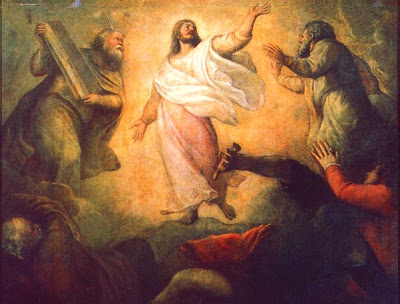
Painting by Titian
A Radical Entry--Jesus: Fully God
A Radical Entry—Monday
Jesus—Fully God
In raising the question of Jesus’ identity, the carol first presents him as a human infant resting with his human mom. But a following stanza reveals another aspect of his identity, “This, this, is Christ the King.” Christ, or Messiah, the Son of God. The King, the boss. Not just a pooping infant, but a soon to reign king. Matthew and Luke gave Jesus’ human nature, but John trumps that by giving him a divine nature in calling Jesus the Word, “In the beginning the Word already existed. The Word was with God, and the Word was God. He existed in the beginning with God. God created everything through him” (John 1:1-3, NLT).
The Creator in a crib. Wow. Fully, according to Colossians 1:19, “For God in all his fullness was pleased to live in Christ” Col 1:19, NLT). This changes the Christmas celebration when we consciously remember who the infant is. This helpless babe possessed the fullness of God. Please, don’t try to comprehend that paradox—we can do that no better than an ant can critique Einstein. But here’s something we call can comprehend.
Kick Starting Our Comprehension
This human baby, this Messiah/King, this Creator in a crib, knew who he was. And he used it. “All authority in heaven and on earth has been given to me. Therefore go and make disciples of all nations” (Matthew 28:18-19). By virtue of his identity as God and Creator, he has the authority to give us our purpose. To make disciples. To tell people about him. To share the joy he brings to our lives.
So, as we celebrate Jesus’ birth, do we show we understand who he is? What he desires from us. Are we following the commands of the King? How can we improve?
A Radical Entry—Sunday
Jesus—Fully Man
Yes, the newborn infant lay sleeping in Mary’s lap. But he also pooped. He spit up. He fussed. Why? He was fully human, and infant humans do those things. Kind of funny to think of that, isn’t it? He grew up and worked with his hands to provide for the family. He sweated. His hands got splinters from the wood. He inhaled sawdust and coughed. Faced temptation. Regularly, I would imagine.
Hebrews 2:17-18 intrigues me, “He had to be made like his brothers in every way…Because he himself suffered when he was tempted, he is able to help those who are being tempted.” In every way like us. He shared our nature—fully. One more passage, Philippians 2:4-7, “Each of you should look not only to your own interests, but also to the interests of others. Your attitude should be the same as that of Christ Jesus: Who, being in very nature God, did not consider equality with God something to be grasped, but made himself nothing.”
Kick Starting Our Comprehension
So what does this mean? As we get closer to Christmas, try to not feel guilt over being tempted. Any kind of temptation. Jesus suffered with that, and he can sympathize with us. But even more, he gave us a pattern of purpose—to care for people. Jesus went from God to fully human in order to serve people. Especially at Christmas, can we do any less?
A Radical Entry—Saturday
Let’s do our own brief Advent, as we approach the last four days leading up to celebrating the birth of Jesus. Each day, a brief new post will be added to the list for you to meditate and ponder on. We’ll use a favored carol, “What Child is This?” to examine the radical entry of God into the human experience: who is he, and what does that mean for us? Was he a real person?
Jesus—A Real Person
Jesus: a myth, a legend, a human creation, or a real person? Our answer to that will drive our response to him, so let’s explore that. Two gospels intentionally listed Jesus’ human genealogy—Matthew tracing his mother’s ancestors, Luke showing those of Joseph, his stepfather, and both trace back to King David. The four gospels serve as biographies by his contemporaries, with the earliest fragment of Mark dating to about 90 AD, in the time frame of those present. Why all of this? The wanted to affirm his existence. These early followers believed in the reality of Jesus so much that they gave their lives to taking his message to the entire world.
Josephus, a Jewish general from the first century who went over to the conquering Roman side, twice mentioned Jesus as a real person in his writings, writings accepted as accurate by historians. In one he commented on Jesus’ role as a teacher and worker of miracles, in the other he mentioned James as the brother of Jesus.
Why is this important? Abundant evidence exists for the entry of the man Jesus into our history. The evidence makes thinking of him as merely a myth or legend pretty implausible. As Eric Meyers, an archaeologist and emeritus professor in Judaic studies at Duke University says, “I don’t know any mainstream scholar who doubts the historicity of Jesus,” said. “The details have been debated for centuries, but no one who is serious doubts that he’s a historical figure.”
Kick Starting Our Comprehension
Granted, a lot of our Christmas celebrations fit into legend and myth, but the bulk of evidence for Jesus makes it easy to see him as historical. How does that change us? First, we gain confidence in comprehending the historical evidence for Jesus. Our faith transcends opinions and hopes. But that also provides confidence in telling others about him. For the next day or so, meditate on Jesus as a real person in history.
PS you can read more about this reality, not necessarily his identity, in a Nat Geo article at https://www.nationalgeographic.com/magazine/2017/12/jesus-tomb-archaeology/

image from Pinterest, author unknown
A Radical Entry--Jesus: Fully Man
Jesus:Fully Man Sunday
Yes, the newborn infant lay sleeping in Mary’s lap. But he also pooped. He spit up. He fussed. Why? He was fully human, and infant humans do those things. Kind of funny to think of that, isn’t it? He grew up and worked with his hands to provide for the family. He sweated. His hands got splinters from the wood. He inhaled sawdust and coughed. Faced temptation. Regularly, I would imagine.
Hebrews 2:17-18 intrigues me, “He had to be made like his brothers in every way…Because he himself suffered when he was tempted, he is able to help those who are being tempted.” In every way like us. He shared our nature—fully. One more passage, Philippians 2:4-7, “Each of you should look not only to your own interests, but also to the interests of others. Your attitude should be the same as that of Christ Jesus: Who, being in very nature God, did not consider equality with God something to be grasped, but made himself nothing.”
Kick Starting Our Comprehension
So what does this mean? As we get closer to Christmas, try to not feel guilt over being tempted. Any kind of temptation. Jesus suffered with that, and he can sympathize with us. But even more, he gave us a pattern of purpose—to care for people. Jesus went from God to fully human in order to serve people. Especially at Christmas, can we do any less?
A Radical Entry—Saturday
Let’s do our own brief Advent, as we approach the last four days leading up to celebrating the birth of Jesus. Each day, a brief new post will be added to the list for you to meditate and ponder on. We’ll use a favored carol, “What Child is This?” to examine the radical entry of God into the human experience: who is he, and what does that mean for us? Was he a real person?
Jesus—A Real Person
Jesus: a myth, a legend, a human creation, or a real person? Our answer to that will drive our response to him, so let’s explore that. Two gospels intentionally listed Jesus’ human genealogy—Matthew tracing his mother’s ancestors, Luke showing those of Joseph, his stepfather, and both trace back to King David. The four gospels serve as biographies by his contemporaries, with the earliest fragment of Mark dating to about 90 AD, in the time frame of those present. Why all of this? The wanted to affirm his existence. These early followers believed in the reality of Jesus so much that they gave their lives to taking his message to the entire world.
Josephus, a Jewish general from the first century who went over to the conquering Roman side, twice mentioned Jesus as a real person in his writings, writings accepted as accurate by historians. In one he commented on Jesus’ role as a teacher and worker of miracles, in the other he mentioned James as the brother of Jesus.
Why is this important? Abundant evidence exists for the entry of the man Jesus into our history. The evidence makes thinking of him as merely a myth or legend pretty implausible. As Eric Meyers, an archaeologist and emeritus professor in Judaic studies at Duke University says, “I don’t know any mainstream scholar who doubts the historicity of Jesus,” said. “The details have been debated for centuries, but no one who is serious doubts that he’s a historical figure.”
Kick Starting Our Comprehension
Granted, a lot of our Christmas celebrations fit into legend and myth, but the bulk of evidence for Jesus makes it easy to see him as historical. How does that change us? First, we gain confidence in comprehending the historical evidence for Jesus. Our faith transcends opinions and hopes. But that also provides confidence in telling others about him. For the next day or so, meditate on Jesus as a real person in history.
PS you can read more about this reality, not necessarily his identity, in a Nat Geo article at https://www.nationalgeographic.com/magazine/2017/12/jesus-tomb-archaeology/

Church of the Nativity by UNESCO
A Radical Entry--Jesus: a Real Person
Let’s do our own brief Advent, as we approach the last four days leading up to celebrating the birth of Jesus. Each day, a brief new post will be added to the list for you to meditate and ponder on. We’ll use a favored carol, “What Child is This?” to examine the radical entry of God into the human experience: who is he, and what does that mean for us? Was he a real person?
Read More
Our Meaning in Life?
Typically, as we enter college or the workforce, we begin to ask “Who am I? Why am I here?” A bit over a month ago I read the Sartre quote, “Without God, we are condemned to be free... Everything is indeed permitted if God does not exist, and man is in consequence forlorn, for he cannot find anything to depend upon either within or outside himself.” So, take a look at the chart above, and where we get meaning.
Read More